|
To get married in Utah, you need to have a marriage license and to have the marriage solemnized. You can apply for a marriage license at any county clerk's office. It is a good idea to check with the county clerk's office where you intend to get the marriage license for any specific requirements.
There is no waiting period before you can get married. As soon as you get your license, you can get married. However, the license is only valid for 30 days. If you do not have the marriage solemnized within that time, the license will expire.
- You will need the following to apply for a marriage license:
- Both parties must be present at the time of application.
- Full names, addresses and date and place of birth of both parties.
- The social security number of both parties, unless a party doesn't have a social security number.
- The names and birth places of the parents of both parties, including mother's maiden name.
- Valid picture ID such as a passport, birth certificate, drivers license, or state ID card.
- A license fee is charged in most counties and price varies depending on the county of issuance.
Note: Some counties do not charge a fee for the license, but do charge for the certified copies.
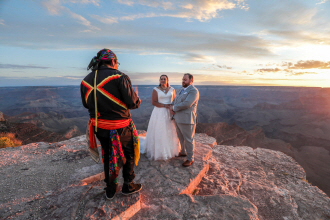
- A minister, rabbi, priest, mayor, judge, county clerk, Native American spiritual adviser, the Governor, mayors, court commissioners and judges, as well as particular members of the legislature may perform wedding ceremonies. Two witnesses over 18 must also be present at the wedding ceremony.
- The person who solemnizes the marriage must sign a certificate of marriage and then files the certificate and the marriage license with the county clerk who issued the license.
- You must be at least 15 years old to be married in Utah. If you are over 18, you do not need consent to get married. If you are 16 or 17, you need signed consent from a parent or guardian, which must be given in person to the county clerk before a marriage license will be issued.
- If you are 15 years old, you need consent from a parent or guardian, and:
- The juvenile court must approve the marriage, and must conclude that the marriage is voluntary and in the best interests of the minor.
- The juvenile court may require premarital counseling.
- The juvenile court may impose other conditions, such as requiring the minor to continue to attend school.
- If you are under 18 but you have been married before, you do not need consent a second time.
|